History guide · 9 min
The History of Nassau, in Places You Can Still Visit
Pirates, forts, emancipation, blockade running and Junkanoo — three centuries of Bahamian history told through the sites, museums and streets you can walk in a single day.
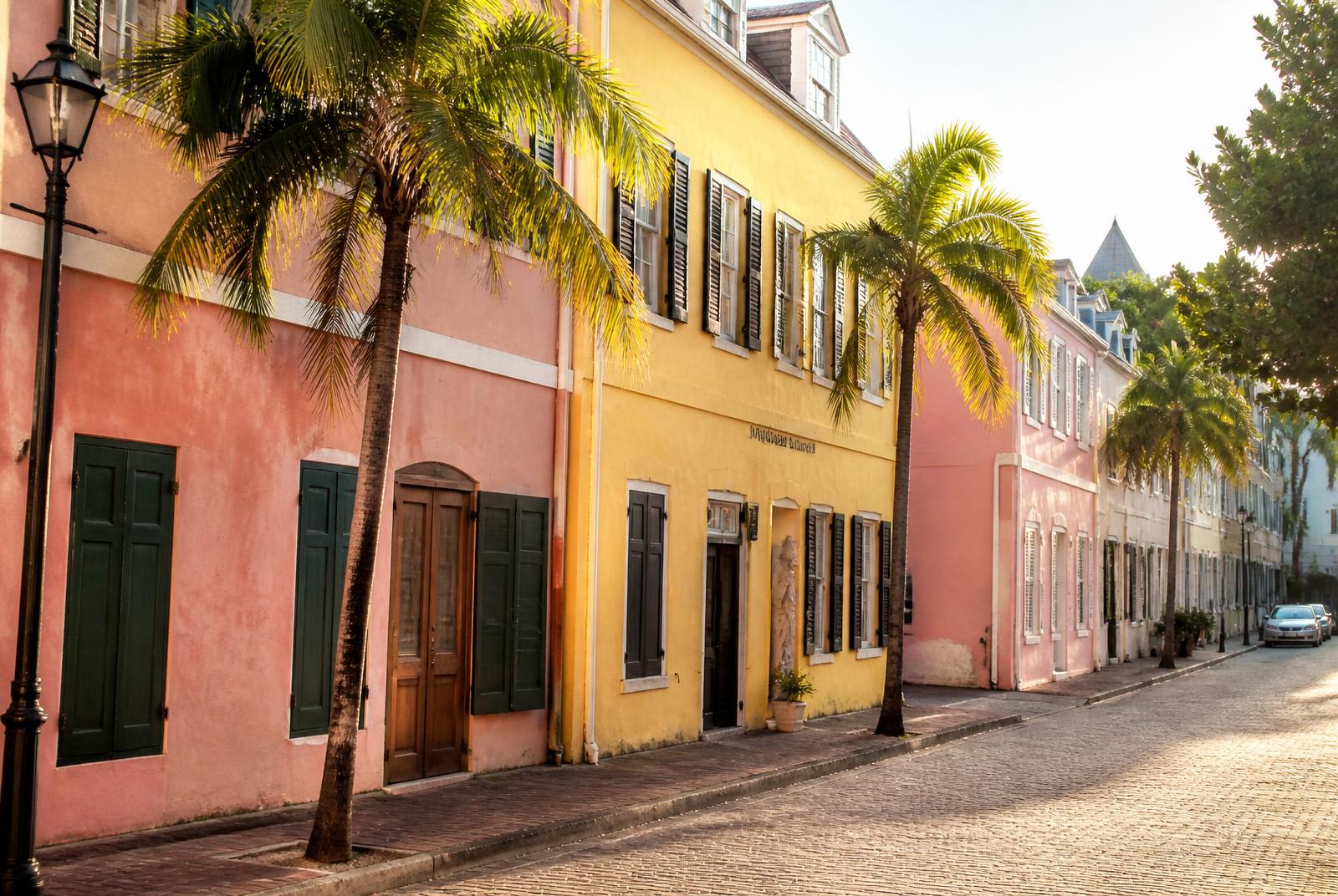
1670–1718: Charles Town, then the pirate republic
English settlers from Bermuda founded Charles Town on this harbour in 1670; it was burned by the Spanish and rebuilt as Nassau in 1695, named for the House of Orange-Nassau. For a decade after the War of the Spanish Succession the town had no functioning government and became the base of the so-called Republic of Pirates — Blackbeard, Benjamin Hornigold and Charles Vane worked out of this harbour until Woodes Rogers arrived as royal governor in 1718 and, under the motto Expulsis Piratis, Restituta Commercia, drove them out. Start where they did: the harbourfront and Woodes Rogers Walk.
The forts: Charlotte, Fincastle and Montagu
Fort Montagu (1741) is the oldest fort still standing, guarding the eastern harbour entrance. Fort Charlotte (1789), built under Lord Dunmore, is the largest — a dry moat, underground passages and cannon that were never fired in battle. Fort Fincastle (1793) sits on Bennet's Hill in the shape of a paddle-wheel steamer, reached by the Queen's Staircase: 66 steps cut by enslaved labourers through solid limestone in the 1790s and later named for Queen Victoria's 64-year reign. All three are managed by the Antiquities, Monuments and Museums Corporation.
Slavery, emancipation and Pompey
Vendue House on Bay Street was the town's auction house, where enslaved people were sold. It is now the Pompey Museum of Slavery and Emancipation, named for the enslaved man who led the 1830 revolt on the Rolle estate in Exuma. Britain abolished the trade in 1807 and slavery itself in 1834, with full freedom in 1838 — the date Bahamians still mark with Emancipation Day and Fox Hill Day in August. Nearby, the Eastern Parade, Gregory Arch and the free African settlements at Fox Hill, Adelaide and Carmichael are the map of what came after.
Blockade running, rum running and the boom years
Nassau's fortunes twice came from other people's wars. During the American Civil War it was the transhipment port for Confederate cotton, and cotton money built the Bay Street merchant houses. During Prohibition it was the liquor depot for the United States — the Graycliff and John Watling's Distillery stories both belong to that era. The Royal Victoria Hotel, once the grandest hotel in the tropics, hosted both sets of profiteers; its gardens survive downtown.
Junkanoo: the living history
Junkanoo began in the plantation era, when enslaved Bahamians were given a few days off at Christmas and paraded in masks made from whatever was to hand. It survived abolition, disapproval and bans to become the national festival, with rushes on Boxing Day and New Year's Day on Bay Street. Off-season you can still meet it in a shack: Educulture in Delancy Town keeps the costume craft and goombay drumming alive year-round.
Majority Rule and modern nationhood
Bahamian politics turned on 10 January 1967 — Majority Rule Day — when the Progressive Liberal Party ended decades of Bay Street oligarchy, followed by independence from Britain on 10 July 1973. Parliament Square, with its pink colonial buildings and the statue of Queen Victoria, is where all of it was argued out, and the House of Assembly still sits there.
How to see it in one day
Start at Parliament Square early, before the ships land. Walk to the Pompey Museum, then up the Queen's Staircase to Fort Fincastle and the Water Tower viewpoint. Taxi west to Fort Charlotte for the guided tour, then finish at John Watling's Distillery in the 1789 Buena Vista Estate. Add Clifton Heritage National Park in the afternoon if you have a car — Lucayan sites, plantation ruins and the emancipation staircase down to the water, all on one headland.
The map
Every neighbourhood in this guide, the stays we mention, and the essential services worth knowing where to find — hospitals, the tourism police, the airport and the water taxi dock. Tap a marker for detail.
Loading map…
- Neighbourhood
- Stay
- Essential service
Everything mentioned here
Sources & further reading
Written from official operator information plus public traveller discussion — community threads, tagged social posts and local guides. Follow the links for live, first-hand chatter.